
 Himanshu Patel
According to IEA’s forecast in February, the global oil demand would grow by 825,000 barrels a day in 2026.
According to the International Energy Agency (IEA), global oil demand continues to grow steadily as logistics, transportation, and industrial activities expand worldwide. While earlier forecasts projected consistent demand growth, recent global disruptions such as pandemics, geopolitical tensions, and climate-driven disasters have exposed the vulnerabilities of traditional fuel supply chains.
Fuel is not just a commodity; it is operational infrastructure. When crises hit, businesses dependent on mobility cannot afford downtime.
In today’s digitally connected economy, companies are shifting toward smart logistics, AI-driven fleet management, and automated fuel monitoring systems. This shift has accelerated the rise of on-demand fuel delivery apps, transforming them from convenience services into strategic business continuity solutions.
Why Traditional Fuel Stations Struggle During Crisis
During emergencies such as:
- Global health crises
- Regional wars and political instability
- Monsoons and flooding
- Hurricanes, earthquakes, or wildfires
Traditional fuel stations often face:
- Long queues and panic buying
- Restricted operating hours
- Infrastructure damage
- Supply chain interruptions
- Fuel hoarding
- Limited accessibility due to road closures
When centralized fueling infrastructure becomes unreliable, businesses dependent on fleet mobility experience operational delays and financial losses.
The Takeaway: Resilience in Every Drop
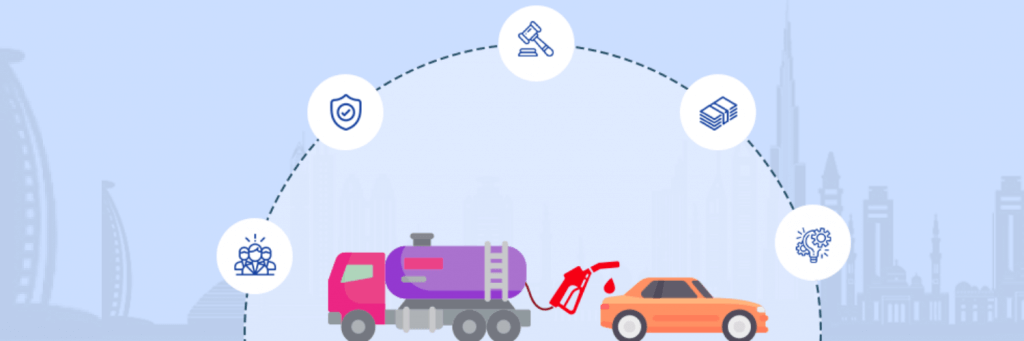
On-demand fuel delivery apps are more than a convenience—they are lifelines in times of crisis. Their value multiplies during emergencies when traditional fuel supply chains are strained or inaccessible. Let’s explore how they provide unmatched resilience across various disaster situations:
1. Global Pandemics (e.g., COVID-19)
During pandemics, public interaction is minimized to prevent the spread of viruses. Traditional fuel stations become high-risk zones due to:
- Frequent surface contact (gas pump handles, payment terminals)
- Crowded waiting areas
- Limited operational hours
How on-demand fuel apps help:
- Contactless delivery keeps users safely at home or at work
- Digital payments remove the need for cash handling
- Scheduled refueling reduces the need for unplanned trips
- Apps like Booster and Cafu introduced “no-touch” fueling options and eliminated delivery charges to support public safety
2. Regional Wars & Political Conflicts
War zones often face fuel shortages, supply chain blockages, and unsafe public movement. Strategic resources like fuel become harder to access due to:
- Closed or destroyed fuel stations
- Curfews and restricted areas
- Fuel rationing or price inflation
How on-demand fuel apps help:
- Serve as decentralized micro-stations, reducing the need for mass fuel stations
- Enable delivery to military camps, refugee zones, emergency responders
- Support fleet operations for NGOs, logistics companies, or medical services
- Flexibly route around high-risk zones using GPS and AI
3. Monsoons & Seasonal Floods
During heavy monsoon seasons, fuel stations often shut down or become inaccessible due to:
- Flooded roads
- Power outages
- Infrastructure damage
How on-demand fuel apps help:
- Enable delivery to high-ground or safe locations
- Avoid the risks of standing in long queues in bad weather
- Offer predictive delivery scheduling, ensuring vehicles are fueled before weather worsens
- Keep transportation services, ambulances, and food delivery fleets running
Apps like Cafu in the UAE and Filld in the U.S. are already adapting their services to handle weather disruptions and ensure vehicle readiness in all conditions.
4. Natural Disasters (Hurricanes, Earthquakes, Wildfires)
Natural calamities create instant disruption to daily life. Roads may be blocked, electricity cut off, and fuel stations damaged or overwhelmed by panic buyers.
How on-demand fuel apps help:
- Deliver directly to rescue centers, hospitals, and emergency vehicles
- Prevent fuel hoarding by managing deliveries with fleet controls and caps
- Continue operations with off-grid, mobile refueling trucks
- Maintain essential logistics chains: ambulances, fire trucks, generators, delivery vans
In disaster-prone areas, having a mobile fueling option is not just about convenience—it’s part of an emergency response strategy.
Market Growth & Industry Opportunity
The global mobile fuel delivery market is expanding steadily as logistics, transportation, and fleet‑based businesses continue to grow. With the rapid rise of e-commerce and last‑mile delivery services, commercial fleet sizes are increasing, creating strong demand for smarter and more efficient fuel delivery app development and fleet fuel management solutions.
Several key factors are driving this industry growth:
- Expansion of last-mile and hyperlocal delivery networks
- Rapid fleet digitization and telematics adoption
- Increasing demand for fuel efficiency monitoring
- Adoption of AI-based route optimization
- Rising need for centralized and automated fuel management
Enterprise fleet operators now prioritize operational efficiency and cost transparency. Their focus includes:
- Reducing vehicle downtime through scheduled refueling
- Real-time fuel consumption tracking
- Centralized fuel expense control
- Carbon emission monitoring for sustainability goals
- Predictive fuel demand analytics
On-demand fuel delivery apps integrate with fleet management software and ERP systems, transforming traditional fuel distribution into a data-driven, automated process. Instead of sending vehicles to fuel stations, businesses can optimize productivity by bringing fuel directly to their fleets.
As logistics and mobility sectors continue to scale globally, the opportunity for on-demand fuel delivery app development and fleet fuel management solutions is expected to grow significantly.
Business Model of On-Demand Fuel Delivery Apps
A strong and scalable business model is essential for the success of any on-demand fuel delivery app. To remain profitable during both stable markets and business crises, fuel delivery platforms rely on diversified and recurring revenue streams.
Here are the primary monetization models used in the mobile fuel delivery business:
1️ B2C (Business-to-Consumer) Model
In this model, fuel is delivered directly to individual vehicle owners at homes, offices, or parking locations.
Revenue is generated through:
- Service fees per delivery
- Convenience charges
- Minimum order value pricing
- Surge pricing during peak demand
This model works well in urban markets with high vehicle density and time-sensitive consumers.
2️ B2B Fleet Contracts (High-Revenue Segment)
The most profitable segment in the fuel delivery business model is enterprise fleet contracts.
On-demand fuel delivery companies sign long-term agreements with:
- Logistics and last-mile delivery companies
- Construction and infrastructure firms
- Corporate vehicle fleets
- Government and municipal transport units
- Emergency service providers
These contracts ensure recurring revenue, predictable demand, and higher volume margins, making B2B fleet fueling the backbone of scalable fuel delivery startups.
3️ Subscription-Based Refueling Plans
Fleet operators often prefer scheduled fueling instead of on-demand requests.
Subscription models offer:
- Monthly or weekly refueling plans
- Fixed pricing structures
- Automated billing
- Priority delivery scheduling
This model improves customer retention and creates steady cash flow, and can be powered by IoT‑enabled fuel delivery apps for accurate metering and usage analytics.
4️ Per-Delivery Commission Model
Fuel delivery platforms typically charge per litre or per gallon delivered.
Pricing may include:
- Base delivery fee
- Distance-based charges
- Volume-based pricing tiers
This flexible pricing structure allows startups to adapt to different markets and fuel price fluctuations.
5️ Emergency Dispatch Premium
During crises, urgent or after-hours fuel requests can command premium pricing.
Emergency dispatch models help:
- Maintain operational continuity for clients
- Compensate for high-risk or high-demand situations
- Increase profit margins during critical periods
Technology Powering Modern Fuel Delivery Apps
Modern on-demand fuel delivery apps are built on advanced digital infrastructure that enables real-time visibility, operational efficiency, and regulatory compliance. The integration of AI, IoT, and cloud computing is transforming traditional fuel distribution into a smart, data-driven ecosystem.
Core Technologies Driving Fuel Delivery Platforms
- AI-Based Route Optimization
Artificial Intelligence analyzes traffic patterns, delivery schedules, fuel demand clusters, and vehicle capacity to determine the most efficient routes. This reduces fuel wastage, lowers operational costs, and improves same-day delivery performance. - IoT Tank Monitoring Sensors
Smart IoT-enabled fuel sensors track real-time fuel levels inside storage tanks and fleet vehicles. This enables automated refill alerts, prevents stockouts, and minimizes fuel pilferage. - Real-Time GPS Tracking
GPS integration provides live tracking of fuel trucks, delivery agents, and dispatch routes. Fleet managers gain full visibility into vehicle movement, delivery status, and estimated arrival times (ETA). - Cloud-Based Fleet Management Dashboards
Centralized dashboards offer insights into fuel consumption trends, delivery metrics, vehicle utilization, and driver performance. Cloud infrastructure ensures scalability and remote access across multiple locations. - Predictive Demand Forecasting
Machine learning algorithms analyze historical consumption data and seasonal trends to predict future fuel demand. This supports better inventory planning and reduces emergency procurement costs. - ERP & Fleet Software Integration
Seamless integration with enterprise systems such as ERP, accounting tools, and fleet management software ensures automated billing, compliance documentation, and real-time financial reporting. - Secure Digital Payment Gateways
Encrypted online payment systems support UPI, cards, net banking, and corporate invoicing, ensuring safe and transparent fuel transactions.
If you want to understand how these technologies come together in practice, you can read more about the best tech stack for fuel delivery app development
Traditional Fuel Stations vs On-Demand Fuel Delivery Apps
As fleet operations scale, businesses are moving from traditional fuel stations to on-demand fuel delivery apps to reduce downtime and improve fuel management efficiency. While petrol pumps serve retail consumers effectively, enterprise fleets require centralized, data-driven fuel solutions.
Comparison Table
| Parameter | Traditional Fuel Stations | On-Demand Fuel Delivery Apps |
| Fueling Process | Vehicles travel to pump | Fuel delivered to vehicle location |
| Vehicle Downtime | High (travel + queues) | Minimal (refueling during idle hours) |
| Expense Tracking | Manual bills | Real-time digital dashboards |
| Fuel Monitoring | Driver-dependent logs | Automated telematics integration |
| Fraud Risk | Higher due to manual handling | Reduced via IoT-based monitoring |
| Scalability | Limited for large fleets | Centralized multi-location management |
| Data & Forecasting | Basic billing history | Predictive demand analytics |
| System Integration | Standalone systems | ERP & fleet software integration |
Why Businesses Prefer On-Demand Fueling
- Reduces fleet downtime
- Improves operational efficiency
- Enables centralized fuel management
- Provides real-time analytics & cost control
- Supports scalable fleet operations
For logistics, construction, and delivery companies, mobile fuel delivery solutions transform fuel distribution from a manual task into a smart, technology-driven system.
Compliance, Safety & Regulatory Requirements
In the growing on-demand fuel delivery market, regulatory compliance is essential for legal operations, enterprise trust, and long-term scalability. Businesses must follow strict safety, transport, payment, and environmental standards to operate responsibly.
1️ Fire Safety Compliance
Fuel is a highly flammable substance, so operators must use certified storage tanks, explosion-proof dispensing systems, and trained personnel for hazardous material handling. Emergency response protocols and fire safety equipment are mandatory to minimize operational risks.
2️ Petroleum Transport Regulations
Fuel transportation requires licensed tanker vehicles, calibrated dispensing units, and proper documentation. In India, companies must follow guidelines from authorities such as PESO (Petroleum and Explosives Safety Organization). Similar regulatory bodies govern fuel transport in other countries to ensure safe and controlled distribution.
3️ PCI-DSS Payment Compliance
Since fuel delivery apps process digital payments, compliance with PCI-DSS standards ensures encrypted transactions, secure card processing, and protection against payment fraud. This strengthens customer confidence and enterprise partnerships.
4️ Environmental & Sustainability Norms
Operators must implement spill prevention systems, leak-proof fuel dispensing, emission-compliant vehicles, and proper hazardous material handling. Environmental compliance supports ESG goals and reduces ecological impact.
To see how modern fuel delivery platforms support sustainability and ESG goals, you can read how fuel delivery apps are reshaping the future of fueling.
Following these four key regulatory areas enhances credibility, reduces legal risk, and builds authority in the competitive mobile fleet fueling industry.
Summary: Why Resilient Fuel Access Matters
In every crisis, fuel plays a critical operational role:
- Emergency response vehicles need fuel to save lives
- Logistics teams need fuel to transport goods and medical supplies
- Citizens need fuel to relocate or remain prepared
On-demand fuel delivery apps ensure:
- No dependency on open fuel stations
- Flexible delivery in hard-to-reach areas
- Seamless digital experience with minimum risk
- Stability in supply for business continuity and public safety
These apps are digitally connected, logistically optimized, and physically mobile—making them more agile and adaptive than traditional fuel infrastructure. Whether it’s a flood, war, or virus, resilience is built into every drop they deliver.
How Nectarbits Can Help You Build a Powerful On-Demand Fuel Delivery App
Nectarbits specialises in building robust, scalable, and customizable on-demand app solutions tailored for modern businesses. With years of experience in developing mobile platforms for logistics, delivery, and service-based industries, Nectarbits is well-equipped to help fuel delivery startups and enterprises launch, grow, and manage their digital fueling services with ease.
What Nectarbits Offers for fuel delivery app development:
1. End-to-End Custom App Development
Nectarbits provides complete design and development services for:
- User App (iOS & Android) – For customers to schedule refuelling, track delivery, and make payments.
- Driver App – For delivery personnel to view routes, manage orders, and update status.
- Admin Dashboard – To manage pricing, analytics, delivery zones, and fleet performance.
2. Industry-Specific Features for Fuel Delivery
Your app will come loaded with all essential features tailored for the fuel industry:
- Real-time GPS tracking & route optimization
- Fuel quantity selection & delivery scheduling
- Secure payment gateway integration
- Digital receipts & transaction history
- Push notifications & alerts
- Contactless delivery support
- IoT & sensor integration for tank monitoring (optional)
3. Safety & Regulatory Compliance
Nectarbits ensures your app meets local and international compliance standards, including:
- Fire code and fuel transport safety protocols
- Data privacy (GDPR, HIPAA if needed)
- Secure payment processing (PCI-DSS compliance)
- Multi-role access and activity logs for audits
4. Scalable & White-Label Architecture
Whether you’re launching in one city or expanding across regions, our platform is:
- Modular and API-ready for third-party logistics
- Multi-language and multi-currency enabled
- Available as a white-label app for a quick go-to-market under your brand
5. Integration with Smart Fuel Technologies
Want to enable AI-based delivery routing or integrate with smart tankers and IoT sensors? Nectarbits can:
- Implement AI/ML modules for demand prediction
- Integrate tank level sensors and delivery automation
- Enable fleet management tools for your operations
6. Ongoing Support & Growth Consultation
Your journey doesn’t end with app launch. Nectarbits provides:
- Dedicated post-launch support
- Feature enhancement roadmap
- Technical guidance on scaling your platform
- Marketing and monetisation strategy consultation
Who Should Work with Nectarbits?
- Fuel retailers expanding to mobile delivery
- Startups launching fuel delivery in cities or remote areas
- Oil & Gas companies are digitising field operations
- Government or emergency services needing controlled fuel dispatch
Frequently Asked Questions:
Yes. Mobile fuel delivery is legal in most countries, but operators must strictly comply with local petroleum transport laws, fire safety regulations, and hazardous material handling standards. Proper licensing and regulatory approvals are required to operate safely and avoid penalties.
Fuel delivery businesses can be highly profitable, especially with B2B fleet contracts and subscription-based refueling plans. Recurring revenue from enterprise fleets, logistics companies, and corporate clients ensures scalability and long-term financial sustainability.
The cost depends on app features, integrations, compliance requirements, and scalability needs. Basic apps for small fleets are more affordable, while enterprise-grade apps with AI route optimization, IoT tank monitoring, GPS tracking, and fleet management integration require higher investment but deliver greater ROI.
Yes. When operations follow certified safety protocols, fire safety standards, and regulatory approvals, mobile fuel delivery is safe and reliable. Modern apps also use IoT sensors, digital compliance logs, and secure handling procedures to minimize risks and ensure safe refueling for all vehicles.

 Anil Patel