
 Anil Patel
After years of working with fleet and fuel operations, one issue consistently stands out. Fuel losses rarely come from a single big mistake. They build up quietly through untracked idling, inefficient routes, delayed refueling, and poor visibility into actual fuel usage. Since fuel can account for nearly 30 to 40 percent of total fleet operating costs, even small inefficiencies can significantly impact overall profitability (source: EIA).
For a long time, fuel was managed as a back-office expense and reviewed only through invoices or monthly reports. That approach no longer fits modern fleet operations. With rising fuel prices and tighter delivery commitments, fuel needs to be managed in real time, alongside routing, dispatch, and vehicle performance.
This is where a fleet telematics system becomes essential. Telematics provides continuous insight into vehicle location, fuel consumption, and engine activity. When this data is integrated with fuel delivery apps, fleets move from reacting to fuel problems to planning and preventing them. Fuel decisions become timely, accurate, and operationally aligned.
This blog focuses on how fuel delivery apps integrate with fleet telematics systems at a practical level. Rather than repeating high-level benefits, we will explore how connected systems improve fuel visibility and enable smarter, more controlled fleet operations.
What a Fleet Telematics System Really Delivers Beyond GPS Tracking
In many fleet discussions, telematics is still described as a GPS tracking tool. After working with fleet operators for years, I can say this is one of the biggest misconceptions in fleet technology. GPS shows where a vehicle is, but it does not explain what is happening inside that vehicle or why fuel is being consumed the way it is. A modern telematics setup, especially when supported by enterprise telematics solutions, goes far beyond tracking locations.
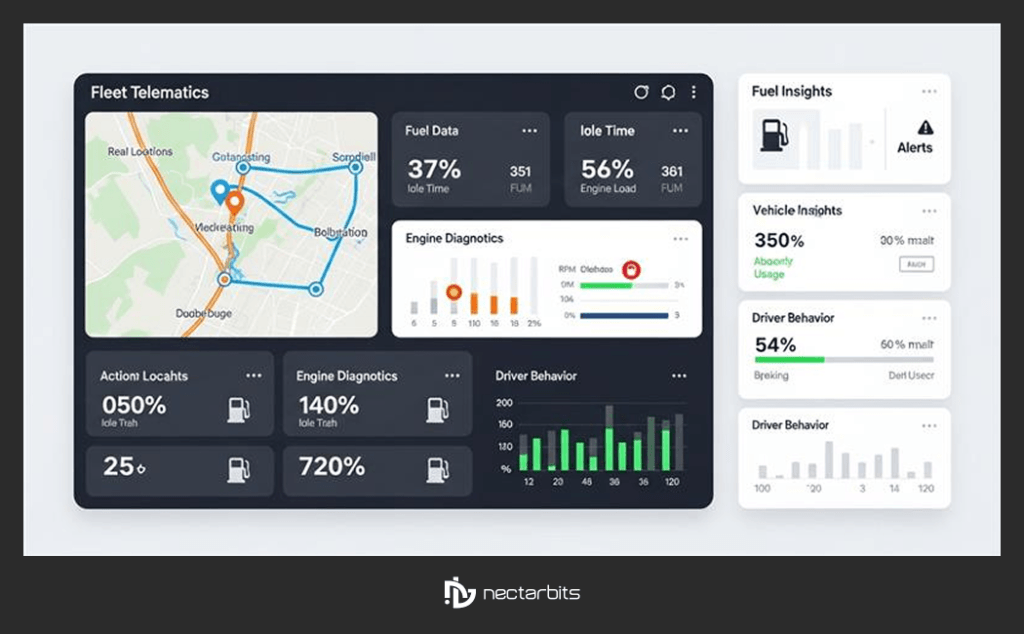
At its core, a fleet telematics system functions as a connected data ecosystem. It brings together multiple data sources and turns them into operational insight, including:
- Real-time vehicle location and movement patterns
- Engine and diagnostic data, such as RPM, idle time, and engine load
- Fuel level and consumption data from onboard sensors
- Driver behavior data linked to braking, acceleration, and speed
When these data points are analyzed together, they tell a much more accurate story than any single metric on its own. For example, fuel usage makes far more sense when it is evaluated alongside idling time, route conditions, and driving behavior. A vehicle that appears to be burning excess fuel may simply be stuck in congested routes or running engines longer than necessary.
Fuel data becomes significantly more accurate when it is tied directly to telematics inputs rather than manual logs or standalone fuel reports. Telematics adds context by connecting fuel consumption to distance traveled, time on the road, and vehicle health. This reduces guesswork and helps fleets separate normal usage patterns from genuine inefficiencies.
One important reality I see across many fleets is that telematics is already installed but underutilized. Data is collected continuously, yet it is often reviewed only in reports instead of being used to guide daily decisions. There is a critical difference between having access to data and using that data intelligently. The real value of telematics emerges when insights influence refueling schedules, route planning, and fuel delivery coordination.
When used correctly, telematics shifts fuel management from reactive analysis to proactive control. Instead of discovering fuel problems after costs have already increased, fleets can identify early warning signs and act before inefficiencies grow. That is when telematics stops being a monitoring tool and becomes a foundation for smarter fuel and fleet operations.
The Role of Fuel Delivery Apps in Modern Fleet Operations
Fuel delivery apps are no longer simple scheduling tools. In modern fleets, they have become a core part of fleet management for fuel delivery, connecting vehicle data, operations planning, and real-world execution. Companies investing in fuel delivery app development solutions recognize that the biggest shift is not convenience, but control.
1. Fuel delivery apps as part of the fleet management stack
In high-performing fleets, fuel delivery apps sit alongside route planning, vehicle monitoring, and maintenance systems. They provide a dedicated layer focused on fuel operations, ensuring that refueling decisions align with fleet schedules, vehicle usage, and operational priorities. This integration prevents fuel planning from operating in isolation.
2. Moving from manual refueling to data-driven decisions
Earlier, refueling depended on driver reports or fixed schedules, which often caused delays or over-fueling. Fuel delivery apps replace guesswork with visibility. Dispatch teams can see fuel requirements in advance and plan deliveries based on actual need, not assumptions. This shift alone reduces downtime and improves fleet reliability.
3. Centralized fuel visibility across the fleet
As fleets scale, managing fuel across multiple depots, sites, or regions becomes complex. Fuel delivery apps provide a centralized view of fuel demand, delivery status, and consumption patterns. Enterprises are adopting this model because it simplifies oversight and makes fuel spending easier to control and audit.
4. Fuel delivery apps as the execution layer for telematics insights
Telematics systems generate valuable insights, but insights alone do not solve operational problems. Fuel delivery apps turn those insights into action. When vehicle data indicates low fuel levels or abnormal consumption, the app enables automatic scheduling, optimized dispatch, and real-time coordination with delivery teams.
5. Fuel delivery as a control system, not just logistics
In modern fleet operations, fuel delivery is no longer just about transporting fuel. It acts as a control system that aligns fuel supply with vehicle behavior, route efficiency, and operational timelines. Fleets that recognize this role gain better cost control, higher uptime, and stronger operational discipline.
How Fuel Delivery Apps Integrate with Fleet Telematics Systems
When people talk about fleet telematics for fuel delivery, they often imagine a simple data sync. In reality, integration is a multi-layer process that connects vehicles, sensors, cloud platforms, and fuel delivery workflows. After working with fleets of different sizes, I can say this with confidence. When this integration is done right, fuel becomes predictable. When it is done poorly, even the best app fails to deliver value.
1. Vehicle and Sensor Data Collection
Everything starts inside the vehicle. Telematics units collect data from multiple sources such as GPS modules, engine control units, and dedicated fuel sensors installed in tanks or fuel lines. This includes location, engine runtime, fuel level, fuel consumption, and idling behavior.
Fuel accuracy depends heavily on how well fuel sensors and telematics devices work together. I have seen fleets rely only on engine estimated fuel data, which often leads to inaccurate readings. When physical fuel sensors are aligned with telematics systems, fuel data becomes far more reliable and actionable. This is critical for planning fuel delivery based on actual consumption rather than rough estimates.
2. Data Transmission and Cloud Processing
Once collected, vehicle data is transmitted to cloud platforms through cellular networks. This step is critical because raw data alone has little value without proper processing.
In high-performing fleets
• Data is transmitted in near real time
• Every fuel reading is timestamped and tied to vehicle activity
• Cloud systems clean and normalize incoming data
This process ensures fuel delivery apps receive reliable fuel information that can be used for scheduling, alerts, and forecasting. Delayed or unstructured data leads to poor fueling decisions and missed delivery windows.
3. APIs, Middleware, and System Connectivity
This is where most integrations succeed or fail. Fuel delivery apps rarely connect directly to vehicles. Instead, they integrate with telematics platforms using APIs that expose vehicle status, fuel levels, and alerts.
In real-world environments, fleets often use multiple telematics providers across different vehicle types. This is why fleet telematics for fuel delivery usually requires middleware. Middleware acts as a translator, standardizing data from different systems and feeding it into the fuel delivery app in a consistent format—a capability often built through Custom Mobile App development for fleets. Without it, scaling integrations becomes complex and error-prone.
Most integration failures I have encountered happen at this layer, not in the app interface. Poor API design, limited data access, or inconsistent formats can break the entire workflow. Strong connectivity architecture is what allows fuel delivery apps to function as a reliable execution layer for telematics-driven decisions.
Real Time Fuel Monitoring Turning Data into Action
Real-time fuel monitoring is often misunderstood as simply viewing fuel levels on a dashboard. In daily fleet operations, it means knowing what is happening with fuel right now and being able to act before small issues turn into costly disruptions. After working with both manual and data-driven fleets, the difference is night and day.
In practical terms, real-time fuel monitoring gives operators continuous visibility into
• Live fuel levels across vehicles and assets
• Actual fuel consumption based on engine activity
• Abnormal usage patterns such as excessive idling or sudden drops
Fuel delivery apps take this telematics data and convert it into automated actions. When fuel levels cross predefined thresholds, the system can trigger refueling requests, schedule deliveries, or notify dispatch teams instantly. This removes guesswork and reduces the need for constant manual checks.
What makes real-time insights more powerful than periodic fuel reports is timing. Weekly or monthly reports only explain what already gone wrong. Real-time data helps prevent problems before they happen. I have seen fleets avoid route failures simply because the system flagged a low fuel condition early enough to schedule a delivery during off-peak hours.
A common example is preventing downtime by fueling vehicles before they hit reserve. Instead of reacting to emergency calls from drivers, fleet managers stay ahead of fuel needs. Over time, this proactive approach leads to smoother operations, fewer disruptions, and tighter control over fuel costs.
Read more: See how modern platforms enable fleet management for fuel delivery through centralized control, automation, and real-time visibility.
Key Operational Workflows Enabled by Telematics Integration
This is the stage where fleets move beyond visibility and start generating measurable value. When telematics data flows directly into fuel delivery apps, fuel management becomes part of daily fleet operations instead of a separate task. In my experience, this is where most fleets begin to see real ROI.
One of the biggest shifts is predictive refueling. By analyzing fuel consumption patterns, engine runtime, and route history, fleets can forecast when a vehicle will need fuel before it reaches a critical level. This supports on-demand fuel logistics solutions by replacing reactive refueling with planned, cost-efficient deliveries.
Another major workflow is automated dispatch. Fuel delivery apps can trigger refueling requests automatically when fuel levels fall below defined thresholds. Instead of relying on driver calls or manual logs, dispatch teams receive system-generated tasks based on real-time fuel monitoring. This reduces delays and ensures vehicles stay operational.
Route-aware fueling decisions further improve efficiency. Telematics systems understand where vehicles are headed and how long they will be active. Fuel deliveries can be scheduled around routes, shift changes, or vehicle idle windows. This aligns with fleet management for fuel delivery, minimizing downtime and avoiding unnecessary detours.
Finally, fueling events become synchronized with broader fleet operations. Refueling is coordinated with maintenance schedules, driver shifts, and asset utilization plans. Fuel delivery apps act as the execution layer, while telematics systems provide the intelligence behind every decision.
From what I have seen over the years, this operational alignment is what separates average fleets from highly optimized ones. Visibility shows you the problem. Integrated workflows solve it.
Reducing Fuel Waste, Theft, and Errors Through Connected Systems
Fuel loss in fleet operations is rarely obvious. It often comes from small gaps such as unverified refueling, inefficient driving behavior, or delayed reporting. When telematics systems are connected with fuel delivery apps, these gaps become measurable and manageable. This connection plays a critical role in fleet management for fuel delivery.
Connected systems allow fleets to compare fuel usage with vehicle movement and engine activity in real time. Instead of relying on manual logs, fuel events are validated against where the vehicle was, how long it was running, and how it was driven. This removes guesswork and exposes inefficiencies early.
The table below shows how integrated systems help identify and reduce fuel losses.
| Fuel Risk Area | What Telematics Reveals | How Fuel Delivery Apps Respond |
| Fuel theft | Sudden fuel drops without vehicle movement | Flags incidents and logs verified fuel levels |
| Excessive idling | High fuel use with low distance traveled | Triggers alerts and optimization actions |
| Unauthorized refueling | Fuel activity outside approved zones | Blocks unapproved fueling events |
| Data entry errors | Mismatch between reported and actual usage | Replaces manual logs with automated records |
| Vendor discrepancies | The delivered fuel did not match consumption | Enables cross verification of delivery data |
By analyzing abnormal consumption patterns over time, fleets can separate operational waste from mechanical issues or misuse. Telematics data highlights trends that would otherwise remain hidden, while fuel delivery apps enforce standardized and verified fueling processes.
Accountability improves across drivers, vendors, and operations teams. Everyone works from the same data, which reduces disputes and improves compliance. Based on real-world experience, fraud prevention often becomes a hidden win. Many fleets recover more value from reduced fuel loss than they initially expected from efficiency gains alone.
Security, Compliance, and Data Trust in Fuel and Telematics Integration
As fuel delivery apps integrate with telematics platforms, they begin managing critical operational and financial data. For enterprise fleets, security and compliance are not technical details. They are adoption requirements. Over the years, I have seen strong platforms fail simply because stakeholders did not trust the data.
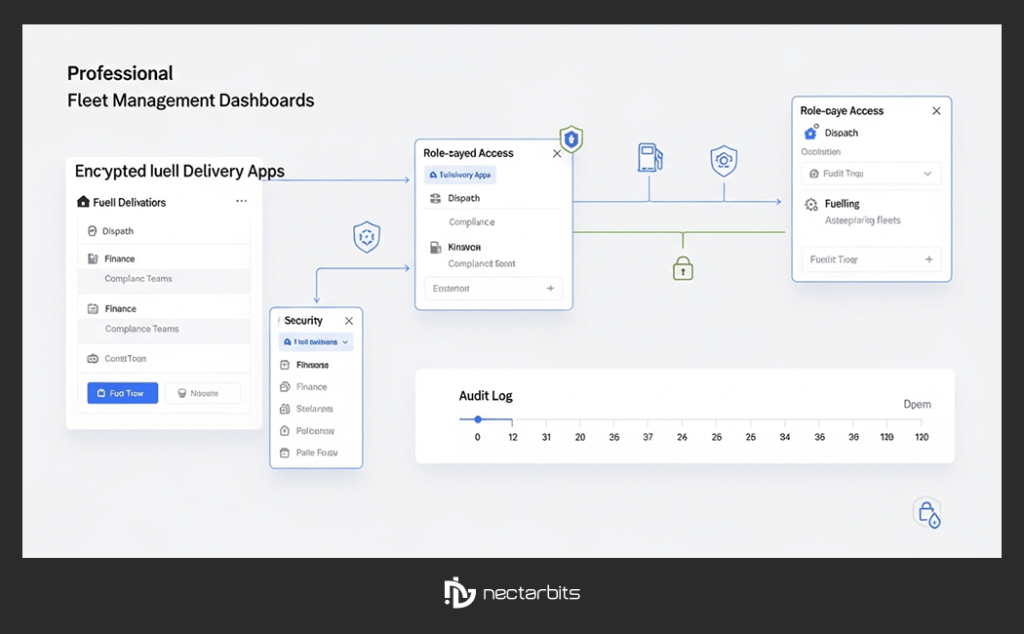
1. Protecting Fuel and Telematics Data at Every Layer
Fuel and telematics data include vehicle locations, fuel usage, delivery confirmations, and operational timestamps. This data must be protected during transmission, storage, and system access. Secure authentication, encrypted communication, and controlled integrations prevent unauthorized access and maintain system integrity. Leveraging AI app development services can further enhance security by implementing intelligent threat detection and anomaly monitoring across all data touchpoints.
2. Role-Based Access for Operational Control
Different teams interact with fuel data in different ways. Dispatch teams need live operational visibility, finance teams need verified cost records, and compliance teams need audit-ready data. Role-based access ensures each group sees only what is relevant while preventing accidental or intentional misuse.
3. Audit Logs That Support Accountability
Every action taken within the system should be traceable. Audit logs record fueling approvals, data changes, and system access events. This creates transparency across drivers, vendors, and internal teams. When issues arise, fleets can quickly identify what happened and why.
4. Ensuring Data Accuracy for Enterprise Reporting
Fuel data is often used for cost analysis, performance reviews, and regulatory reporting. By linking fuel delivery events directly with telematics records, fleets eliminate discrepancies caused by manual entries or disconnected systems. This improves confidence in reports used at both operational and executive levels.
5. Building Trust in Automated Fueling Decisions
Automation only works when stakeholders trust the data behind it. When fuel thresholds, delivery triggers, and alerts are backed by secure and auditable data, automated fueling becomes a strategic advantage rather than a perceived risk. In practice, enterprises do not adopt systems they cannot audit.
Scaling Fuel Delivery Platforms with Telematics in Mind
Scaling a fuel delivery platform requires more than adding vehicles or expanding service areas. It demands systems that can grow without creating operational friction. Based on years of working with expanding fleets, one lesson is consistent. Retrofitting telematics later is expensive and avoidable.
Design integrations for multi-region growth
As fleets expand across cities or countries, fuel delivery apps must handle different operating conditions, regulations, and data volumes. Scalable integrations ensure telematics and fueling workflows remain consistent regardless of fleet size or location.
Support multiple vehicle types from the start
Enterprise fleets operate a mix of vehicles such as vans, heavy trucks, generators, and stationary assets. Fuel delivery platforms should adapt to different consumption patterns and operating cycles without custom development for each asset type.
Enable compatibility with multiple telematics providers
Relying on a single telematics vendor limits flexibility. Scalable platforms use middleware or standardized APIs to integrate data from multiple telematics systems, reducing dependency and future integration costs. According to MarketsandMarkets research, the global telematics market is projected to grow significantly, driven largely by demand for integrated fleet management solutions that support multi-vendor ecosystems.
Prepare fuel delivery apps for enterprise-level data volume
Growth brings more vehicles, more fuel events, and more users. Systems must handle higher data throughput, real-time processing, and advanced reporting without performance issues.
Plan scalability as a core system requirement
When telematics integration is built into the foundation of a fuel delivery app, scaling becomes smoother and less risky. Fleets that delay this planning often face data fragmentation and rising operational costs.
From real-world experience, platforms that scale well do not react to growth. They are built for it. Scalability is not an upgrade. It is a design choice made from day one.
What the Future Holds: Smarter Predictive Fuel Ecosystems
Fuel management is moving into a new phase where systems no longer wait for problems to occur. Over the past decade, I have seen fleets shift from manual tracking to real-time visibility and now toward predictive control. The future of fuel delivery platforms will be shaped by intelligence, automation, and deep integration with fleet telematics systems.
machine learning development services will play a central role in this evolution. Fuel delivery apps will analyze historical consumption, vehicle usage, route patterns, and seasonal demand to forecast fuel needs ahead of time. This allows fleets to schedule refueling proactively, reduce emergency deliveries, and operate with greater confidence.
Key trends shaping predictive fuel ecosystems include
- AI-driven fuel forecasting that anticipates fuel demand before vehicles reach critical levels
- Deeper automation between telematics and fuel delivery apps, reducing manual intervention
- Advanced analytics that uncover long-term fuel optimization opportunities
- Integrated platforms that combine data, execution, and reporting in one system
As integration deepens, it will become a defining competitive advantage. Fleets that rely on disconnected tools will struggle to keep pace with those using unified fuel and telematics ecosystems. From a practical standpoint, fuel management is no longer about reacting faster. It is about predicting accurately and acting early.
Final Thoughts: Building Smarter Fuel Delivery Systems
Integrating fuel delivery apps with a fleet telematics system is essential for fleets that want better visibility, efficiency, and control. When fuel data and vehicle insights work together, fleets move from reactive management to informed decision-making.
The real value lies in scalable operations. Integrated systems reduce waste, prevent downtime, and support long-term fleet growth without added complexity. From experience, fleets that invest in connected fuel and telematics platforms are better prepared for future demands and continuous optimization.
Continue your journey:
If you want to explore the technology behind intelligent fuel operations, discover how fleet telematics for fuel delivery is powered by IoT, smart metering, and real-time inventory integration to enable accurate monitoring and automated decision-making.
Frequently Asked Questions:
A fleet telematics system collects real-time data from vehicles using GPS, onboard diagnostics, and sensors. It transmits this data to cloud platforms where fleets can monitor location, fuel usage, vehicle health, and driver behavior to improve operational decisions.
Yes. When combined with fuel sensors and engine data, telematics provides accurate fuel level and consumption insights. This data becomes even more reliable when integrated with fuel delivery apps, enabling real-time fuel monitoring and automated refueling decisions.
Fleet tracking is legal when vehicles are owned by the business, and employees are informed about tracking policies. Most regions require transparency and clear usage policies, especially when tracking fuel usage and vehicle location during work hours.
Costs vary based on features, vehicle count, and providers. Most fleet telematics solutions operate on a per-vehicle monthly subscription model, with pricing influenced by hardware, data usage, and integration capabilities.
Integration allows fleets to move from manual refueling to data-driven fueling. It improves fuel visibility, reduces waste, prevents downtime, and supports scalable fleet management for fuel delivery through automation and verified data.